Archival
News 59.4, Summer 2020
Edited by Rielle Navitski
ACQUISITIONS
Films Documenting Career of Modern Dance Legend Martha Graham Join
the Collection of the New York Public Library
Films Documenting Career of Modern Dance Legend Martha Graham Join
the Collection of the New York Public Library
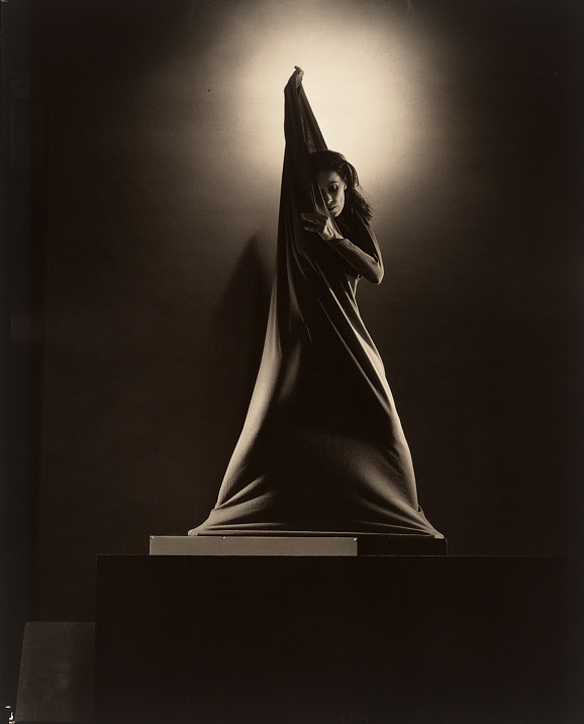 A 1931 portrait of Martha Graham. National Portrait Gallery. © The
Estate of Edward Steichen / Artists Rights Society (ARS), New York via
Digital Public Library of America.
The New York Public Library has acquired the archives of dancer and choreographer Martha Graham, including four hundred moving-image and audio items, among them films of Graham performing her pieces Appalachian Spring and American Document,
the library announced in May. Other collection highlights include choreographic scripts, set designs, and photographs of Graham at work. A selection of her filmed performances, some of which were previously digitized with support from the
Andrew W. Mellon Foundation,
are
available from the Martha Graham Company’s YouTube channel.
The acquisition caps a somewhat tumultuous history for the archives. A portion of Graham’s papers were sold to the Library of Congress in 1998 by the executor of her will, Ron Protas, while a cache of costumes and documents held by the
Martha Graham Company were damaged by Hurricane Sandy in 2012.
After cataloguing and processing, which is projected to take two years, the collection will be made available to researchers at the Jerome Robbins Dance Division of the New York Public Library for the Performing Arts. More information
about the acquisition is available
here and
here.
Close
Papers of Early Italian Film Producer Ernesto Pacelli Acquired by
Cineteca Nazionale
Papers of Early Italian Film Producer Ernesto Pacelli Acquired by
Cineteca Nazionale
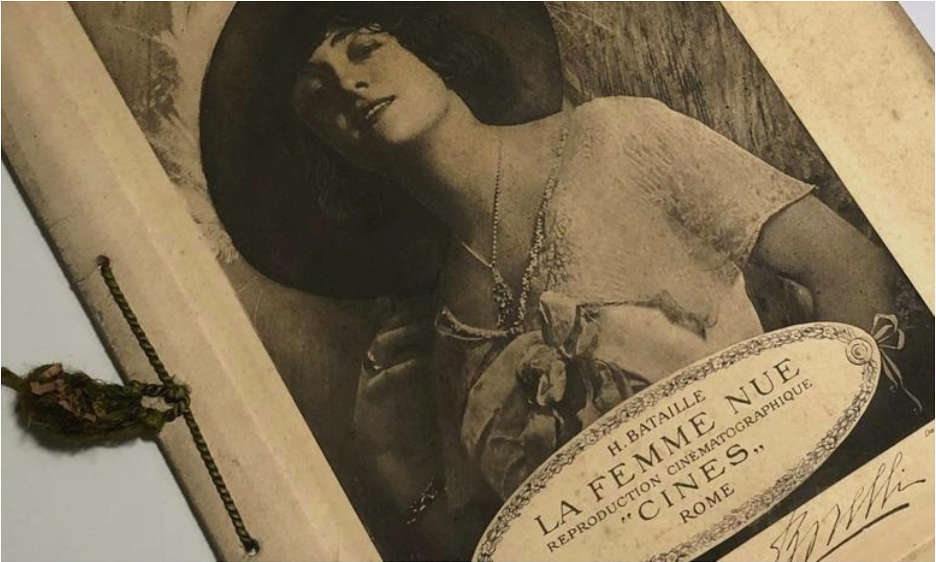 Press kit for La donna nuda/La femme nue (The naked woman, Carmine
Gallone, 1914), produced in Italian and French versions, from the archives
of Ernesto Capelli. Cineteca Nazionale.
In late April, the Cineteca Nazionale announced its acquisition of a new trove of correspondence, publicity, and film materials from the personal archives of Ernesto Pacelli. A financial adviser to three popes and founder of the Banco
di Roma, Pacelli also served as president of the Società Cinematografica Cines, one of the most important Italy production companies of the early cinema period. The materials, which comprise over three hundred items of business correspondence
and press kits for nineteen Cines productions dating from 1907-1914, join a cache of items from Pacelli’s archives acquired in 2012 and 2013, including additional business records and rare nitrate films from the 1910s. Footage included in
both acquisitions has allowed for the reconstruction of a tinted and toned amateur film of the Pacelli family shot in 1910. For more on the acquisition, see
here.
Close
PRESERVATION
Newly Identified Documentary Mallorca May Be Spain’s
Earliest Sound Film Directed by a Woman
Newly Identified Documentary Mallorca May Be Spain’s
Earliest Sound Film Directed by a Woman
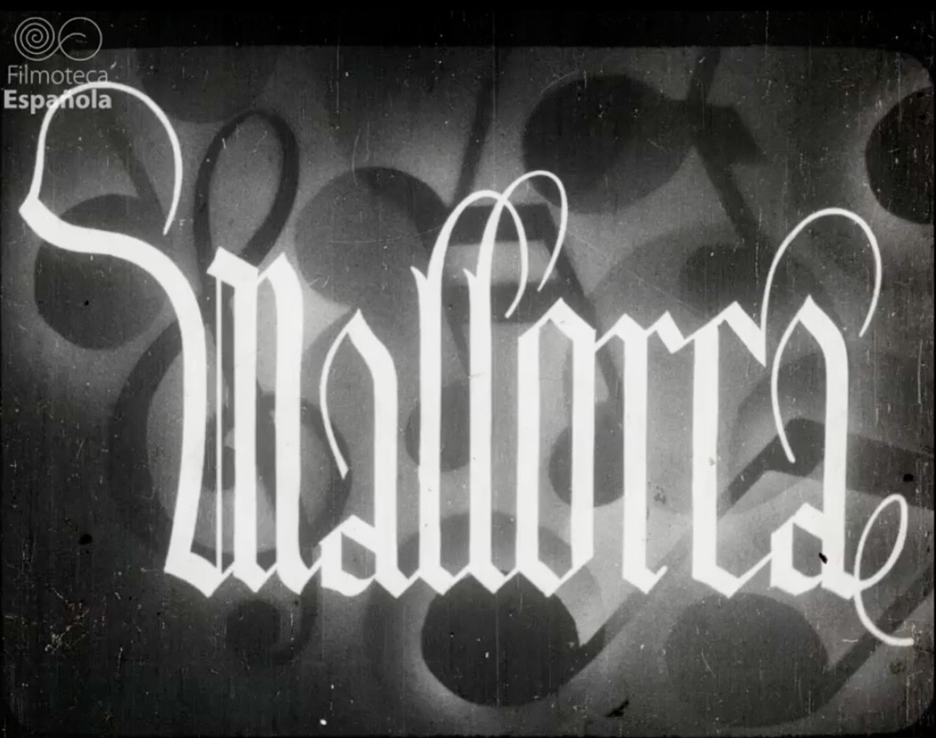
A shift to telework due to the novel coronavirus pandemic led to the identification of a mislabeled film in the vaults of the Filmoteca Española when archivists limited to inspecting digitized films at home noticed a discrepancy between the catalog description
and the content of an eight-minute travelogue entitled Mallorca. Incorrectly identified as a 1926 silent by Francisco Aguiló Torrandell, the credits of the early sound film—a poetic look at the ports and plazas
of the largest of the Balearic Islands that was intended to attract tourists, but never received a theatrical release—indicated it was directed by the unknown María Forteza. After the Filmoteca made Mallorca temporarily available
online, journalist Laura Jurado uncovered additional details about Forteza, a cabaret singer and Mallorca native who was married to producer Ramón Úbeda. Onscreen details, most notably a taxicab that appears early in the film,
tentatively date Mallorca between 1932 and 1934. Previously, Rosario Pi’s El gato montés (1935) was believed to be the earliest known Spanish sound film directed by a woman. More information about Mallorca’s rediscovery
is available
here and here.
Close
Colorized Footage from Satyajit Ray’s Pather Panchali
Sparks Debate
Colorized Footage from Satyajit Ray’s Pather Panchali
Sparks Debate
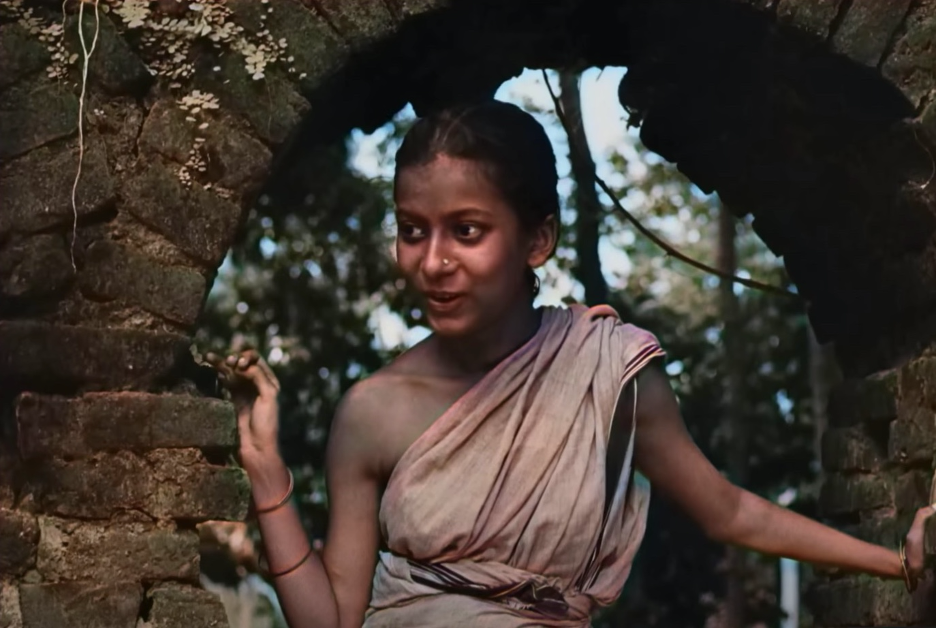
A two-minute selection of footage from the first installment of Satyajit Ray’s acclaimed Apu trilogy,
altered
using algorithms that rely on artificial intelligence, has generated controversy. University of Maryland Assistant Professor Aniket Bera used freely available neural network-based tools like
DeOldify and
DAIN, which extrapolate additional frames and other image information from existing footage, to add muted colors and upscale the sequence’s resolution and frame rate to 4K and 60 fps. The
filmmaker’s son Sandip Ray responded negatively to the project, commenting “there is no need to tamper with a classic.” For his part, Bera emphasized that the footage should be viewed “purely as an academic experiment,” not an enhanced viewing
experience.
The controversy recalled the online furor in February surrounding a version of the
Lumière
Brothers’ L’arrivée d’un train en gare à La Ciotat that was similarly
upscaled to 4K and 60 fps by Denis Shiryaev using existing neural network-based algorithms. The video, which has accumulated close to 4 million views to date, was deemed refreshingly contemporary by some and as an unnecessary distortion by others.
(
One
critic pointed out that the Institut Lumière had already scanned the film
at 4K, making the AI-driven modifications to its resolution largely moot).
For more on the debate, see
here,
here, and
here.
Close
INSTITUTIONS AND ORGANIZATIONS
Amid Protests for Racial Justice, the Ethics of Documenting and
Archiving Social Movements Emerge as Urgent Concern
Amid Protests for Racial Justice, the Ethics of Documenting and
Archiving Social Movements Emerge as Urgent Concern
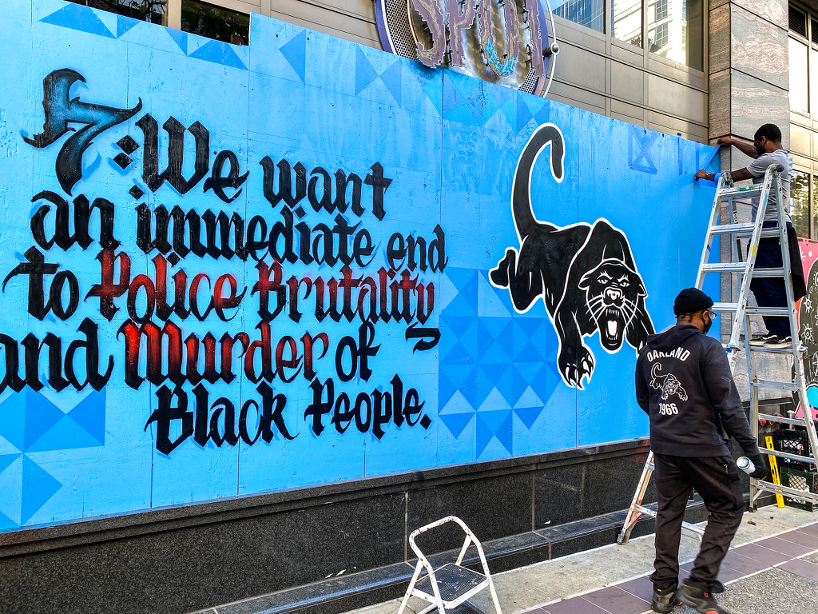 Activists paint a mural in downtown Oakland, CA. Photo by Annette
Bernhardt via Flickr - Creative Commons BY-SA 2.0.
Demonstrations against police violence and systemic racism in the wake of the murder of George Floyd have sparked heated conversations about how to responsibly preserve history in the making in our digital era. A now-deleted Tweet by
Jason Scott of the Internet Archive encouraged activists to upload their images of the protests with the promise that the site will “figure it out later” with regard to privacy concerns, sparking
concern
from librarians and archivists regarding how these materials might be used to identify and target protestors. The
case
of Lore-Elisabeth Blumenthal, arrested for torching two police cruisers at a Philadelphia protest after the FBI used Instagram photos to source identifying details and tracked down the Etsy store that sells the t-shirt she was wearing, highlights
the level of digital surveillance made possible by social media. In light of these issues, organizations that educate the public on how to effectively and ethically share and archive video, photography and social media generated by social
movements, including
Witness.org,
Documenting
the Now,
the Blacktivists, and
Project Stand have shared a
series
of guides for activists and observers. Together with the
Texas
After Violence Project, these four organizations held a virtual panel discussion on these questions in late June, which can be viewed
here. In addition, Documenting the Now is administering
a
list
of archivists willing to assist activists in collecting and preserving materials related to their movements.
Close
With Government Funding Frozen, Film Archives in Brazil and Ukraine
Struggle to Keep Their Doors Open
With Government Funding Frozen, Film Archives in Brazil and Ukraine
Struggle to Keep Their Doors Open
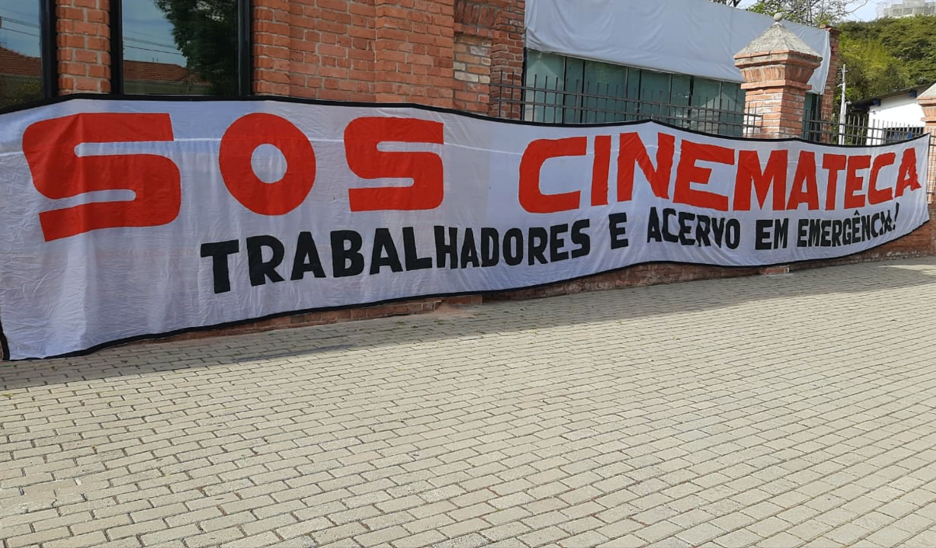
A banner protests a state of emergency for the workers and collections of
the Cinemateca Brasileira. Trabalhadores da Cinemateca Brasileira via
Twitter.
The precarious situation of the Cinemateca Brasileira noted in the previous edition of this newsletter worsened in May and June,
as
the institution and the government proved unable to resolve the impasse created by the Ministry of Education’s abrupt move to cancel its 2018 contract with the Associação de Comunicação Educativa Roquette Pinto (ACERP), a contract that also
charged the organization with administering the Cinemateca. A proposal to reincorporate the archive directly into the federal government, ending ACERP’s administrative role,
would
likely entail its closure until 2021. The Cinemateca, which holds the largest audiovisual collection in Latin America, has yet to receive any of its allotted federal funding for 2020. Its employees, who have gone unpaid for over two months,
initiated
a weeklong strike on June 18. Enel, the electrical company that services the Cinemateca, initially gave the archive a deadline of June 25 to pay its outstanding account balance of R$500,000 (approximately USD$95,000) to avoid a shutoff
that would lead to the loss of climate control in its vaults and leave films at risk of accelerated decay and a nitrate fire. However,
city
councilman Gilberto Natalini negotiated an extension to the deadline, with the company promising to revisit the situation in July, and the mayor of São Paulo, Bruno Covas, floated the possibility that
the
city might take over the administration and funding of the archive. More information about the situation of the Cinemateca Brasileira is available from arturita.net, a project of New York University’s Audiovisual Preservation Exchange designed
to connect moving-image archivists in Latin America and beyond.
Ukraine’s Oleksander Dovzhenko National Center, which was founded in 1994 to serve as the country’s state film archive and opened to the public as a screening and performance space in 2015, faces a similar dilemma, though negotiations
with government authorities have proved more promising. Apparently due to a failure on the part of the Ukrainian State Film Agency to file necessary paperwork, the archive has received none of its federal funding for 2020, which covers 70
percent of its employees’ salaries. With the cancellation of public events due to the novel coronavirus compounding the situation,
the
Center announced its financial insolvency in late May. A
tentative
agreement with government officials to provide the archive with ₴8.6 million (approximately USD$322,000) was reached in early June.
Close
Internet Archive Faces Litigation, Criticism for its Digital Book
Lending and Music Digitization Programs
Internet Archive Faces Litigation, Criticism for its Digital Book
Lending and Music Digitization Programs
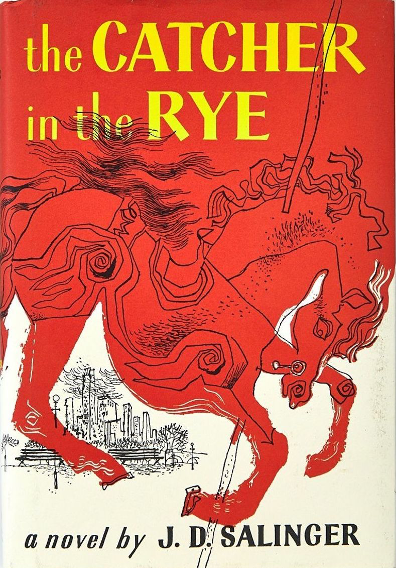
The Catcher in the Rye
is one of 127 titles for which a consortium of
publishers is seeking damages due to alleged copyright infringement by the
Internet Archive.
The San Francisco-based nonprofit
the
Internet Archive, whose website gives users digital access to copies of over 330 billion webpages (accessible through its
Wayback
Machine), 20 million books, 4.5 million audio recordings and 4 million videos, became the target of
a
lawsuit filed by the major publishers Hachette, HarperCollins, Wiley and
Penguin RandomHouse in June. The precipitating factor appears to be the Internet Archive’s suspension of controlled digital lending—that is, allowing access to only one digital copy of a book for each physical copy in its holdings at a time—to
serve educational needs during the novel coronavirus pandemic, an initiative dubbed the National Emergency Library. The scope of the lawsuit is not limited to the National Emergency Library but rather targets the principle of controlled digital
lending, whose legality continues to be debated by legal experts,
librarians, and
the
Author’s Guild. Nevertheless,
the
Internet Archive opted to end the program two weeks earlier than originally planned. In the wake of the lawsuit,
Republican
Senator Thom Tillis spoke out against the Internet Archive’s Great 78
project, which aims to digitize 3 million recordings dating from 1898 through 1950, citing the archive;s recent purchase of 500,000 records from Seattle’s recently shuttered Bop Street Records as evidence of their residual commercial value.
For more on the lawsuit and the ensuing debate, see
here,
here, and
here.
Close
International Federation of Film Archives Documents Pandemic’s
Impact on Archival Sector
Internet Archive Faces Litigation, Criticism for its Digital Book
Lending and Music Digitization Programs
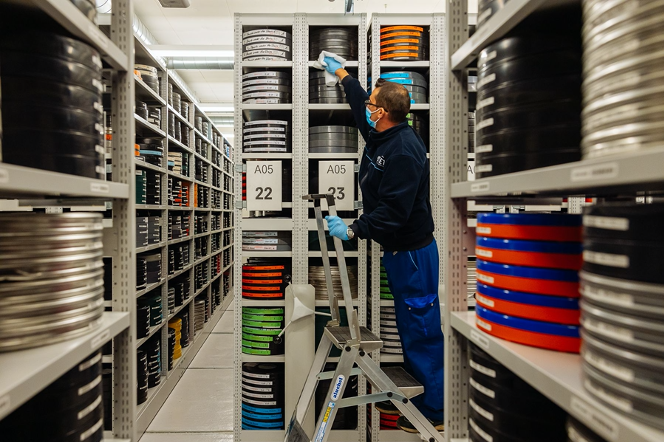
Work continues with health precautions in place at the Cinémathèque
Suisse. Photo © Samuel Rubio / Cinémathèque suisse.
The International Federation of Film Archives is soliciting reflections on the impact of the novel coronavirus pandemic on moving-image archives with the goal of sparking reflection on responses to these current challenges and
directions for a more sustainable future for the field. Over a dozen contributions on the site discuss both predictable challenges—the limits of remote work in institutions and issues with digital technologies and connectivity—and unexpected
opportunities posed by the crisis, including increased demand for archival footage as live-action shooting was paused and enhanced team-building across multiple locations of a single institution. Submissions—preferably in one of FIAF’s three
official languages English, French, or Spanish—may be submitted
here. Contributors may opt to have their reflections publicly viewable or restricted to FIAF
members.
Close
AWARDS
Association of Moving Image Archivists Launches Diversity and
Inclusion Fellowship Program
International Federation of Film Archives Documents Pandemic’s
Impact on Archival Sector
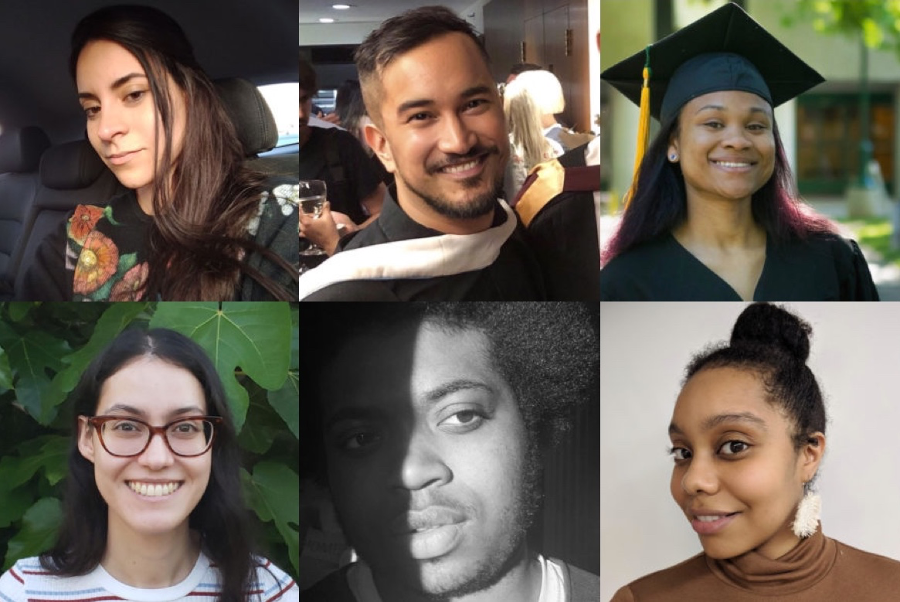 AMIA’s 2020 Diversity and Inclusion Fellows. Top row, left to right:
Lorena Escala Vignolo, Ferrin Evans, and Ari Green; bottom row, left to
right: Grace Muñoz, Rai Terry, and Danielle Townsend
The Association of Moving Image Archivists initiated the inaugural year of its Diversity and Inclusion Fellowship Program, designed to offer professional development and mentorship to archivists from historically underrepresented groups
in the field, by naming Lorena Escala Vignolo, Ferrin Evans, Ari Green, Grace Muñoz, Rai Terry, and Danielle Townsend as its 2020 fellows. Three of the fellows will undertake paid, onsite internships at California Revealed, the Rhode Island
Historical Society, and the preservation and digitization company George Blood Audio/Video/Film/Data, while the remainder will pursue structured online opportunities for professional and leadership development and participate in a series of
webinars with other members of the cohort. The program is administered through a contract with the Council on Library and Information Resources with financial support from the National Film Preservation Board. See
here for more on the program.
Close
Archives to Receive CARES Act Funding from the National Endowment
for the Humanities
Archives to Receive CARES Act Funding from the National Endowment
for the Humanities
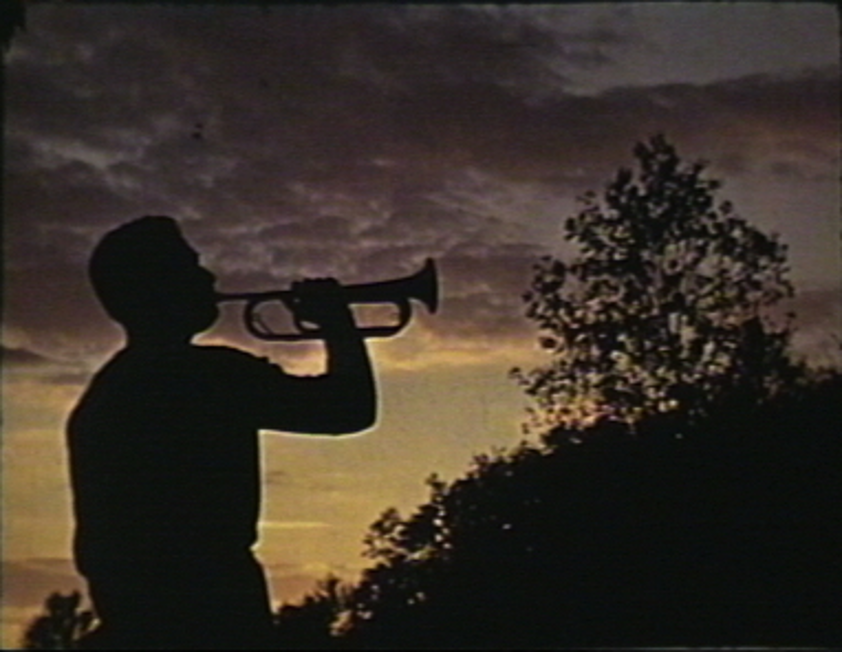 A camp counselor blows a bugle in a still drawn from the Medomak Camp
Collection held by Northeast Historic Film, one of over three hundred
institutions to receive emergency NEH funding through the CARES Act.
National Public Radio, the George Eastman House, Northeast Historic Film, and Chicago Film Archives are among the organizations to receive support for audiovisual archiving activities from the National Endowment for the Humanities thanks
to the Coronavirus Aid, Relief, and Economic Security Act,
the
agency announced in June. With a budget of over $40 million for disbursement to cultural organizations, the NEH was able to fund approximately 14 percent of the 2,300 applications for aid it received. Awards will support staff retention
as well as digitization and expanded online access to archival holdings. Previously, the NEH awarded $30 million of CARES Act funding to state and territorial humanities councils, which in turn made grants to local nonprofits. More information
on the grants is available
here.
Close
ONLINE RESOURCES
Distributors, Streaming Sites, and Archives Respond to Current
Events with Virtual Programming
Distributors, Streaming Sites, and Archives Respond to Current
Events with Virtual Programming
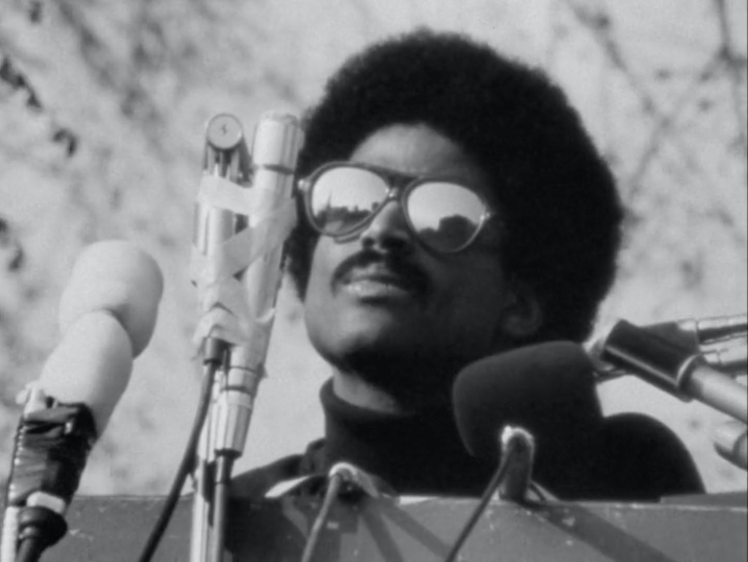 Doug Miranda, New Haven Area Black Panther Party Captain, in the 1970
documentary Mayday (1970), recently restored by the Yale Film Study
Center.
Responding to protests for racial justice across the United States, distributors and streaming services quickly moved to expand access to films that speak to the Black experience. A series of features dealing directly with racialized
police violence, including Do the Right Thing (Spike Lee, 1989), Monsters and Men (Reinaldo Marcus Green, 2018), The Hate U Give (George Tillman Jr.), were made freely available through the month of June by distributors on multiple platforms.
Netflix’s landing page directed subscribers
to
a curated Black Lives Matter selection, while the Criterion Collection
temporarily lifted
its subscription paywall for Black-themed titles ranging from “race films” like Oscar Micheaux’s
Body and Soul (1925) and Spencer Williams’
The Blood of Jesus (1941) to key works of L.A. Rebellion filmmakers, including
Julie Dash’s
Daughters of the Dust (1992) and Billy Woodbury’s
Bless Their Little Hearts (1984).
Concurrently, some moving-image archives continued to make collection items and other programming available online in the face of coronavirus-related restrictions, while others opted to
end
their online programming as some indoor and
outdoor
screening spaces reopened. The George Eastman House released a series of
restored shorts online and is offering
virtual
panel discussions and workshops, while the Yale Film Study Center offered
online access to
the
restored documentary Mayday (1970), which depicts protests surrounding the trial of Black Panther members for the murder of suspected FBI informant Alex Rackley. Viewers can also access a
conversation
with the filmmakers of Mayday, Nick Doob, Alberto Lau, Josh Morton, and Andre Ptaszynski.
A guide to moving-image archives’ virtual programming compiled for Archival News readers is available
here.
Close
Walker Art Center Makes Thirty Years of Filmmaker Interviews
Available Online
Walker Art Center Makes Thirty Years of Filmmaker Interviews
Available Online
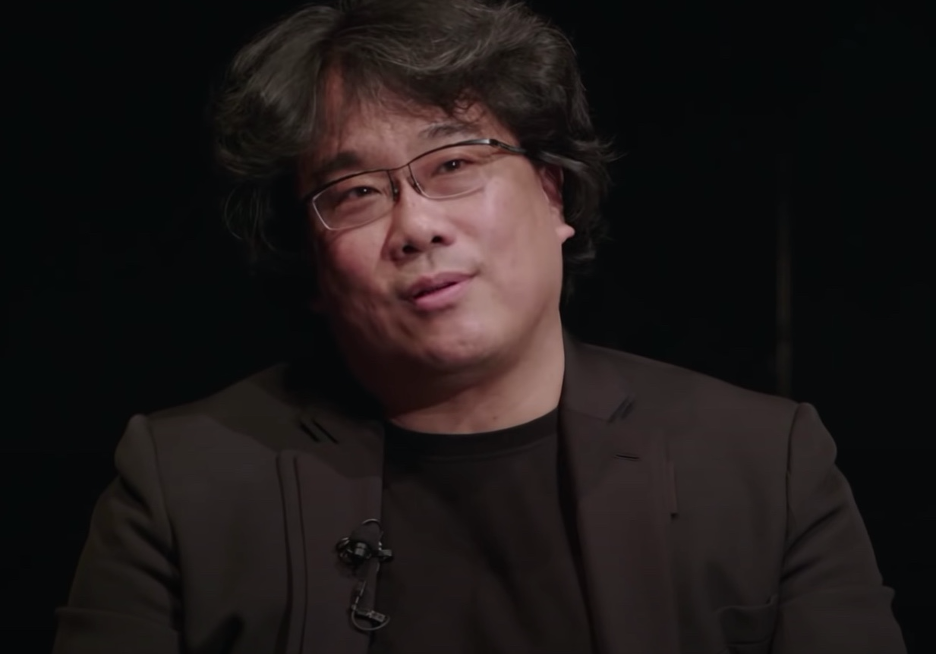 Boon Jong-ho in a February 2020 interview at the Walker Art Center, one
of sixty conversations with filmmakers and other creatives now available
online from the Center.
Over sixty audio and video interviews with actors and filmmakers from the Dialogues and Film Retrospectives series hosted by Minneapolis’s Walker Art Center, recorded between 1990 and 2020, are
now
freely available to stream online. Visitors to the site can also consult program essays prepared to accompanying each retrospective and public conversation. Guests featured in the series include Boon Jong-ho, Claire Denis, Harry Belafonte, Kelly
Reichardt, Apichatpong Weerasethakul, Stan Brakhage, Abbas Kiarostami, Julie Dash, and Robert Altman. The online interviews from Dialogues and Film Retrospectives form part of an archive of recorded events at the Walker Center that dates to
1947 and contains over seven thousand items. More information is available
here.
Close
Stashed in a Salt Mine During World War II, Historic Film Posters
from the Deutsche Kinematek Make Their Online Debut
Stashed in a Salt Mine During World War II, Historic Film Posters
from the Deutsche Kinematek Make Their Online Debut
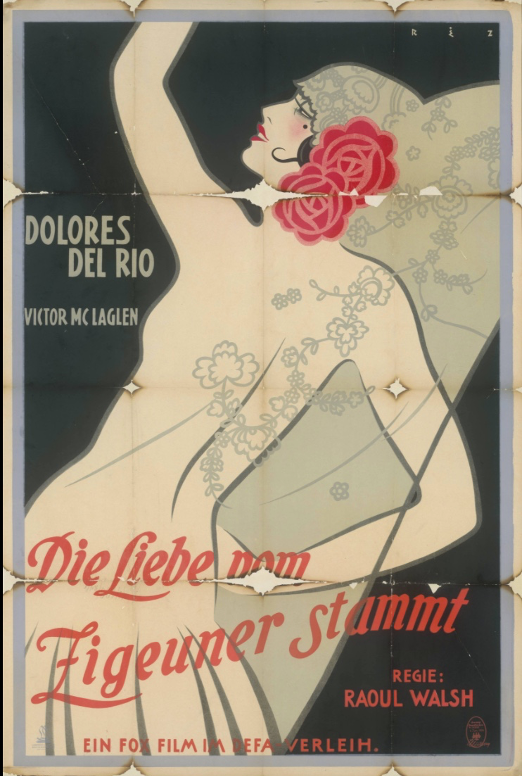 Poster for the German release of The Loves of Carmen (Raoul Walsh,
1927). Deutsche Kinematek.
Visitors to the Deutsche Kinematek’s website can now browse an online collection of over sixty film posters stored in a salt mine for safekeeping during the Second World War, a complement to the onsite exhibit “
Burn
Marks: Posters from a Salt Mine.” Originally acquired from the German Film Review Office by the nation’s first cinémathèque, the Reichsfilmarchiv, the posters display the physical markings of their tumultuous history, having survived incursions
from US troops and a fire in the mine that destroyed many collection items. The restored posters, which advertised mostly German and Hollywood titles, can be viewed
here;
a detailed guide to the posters and films is available
here.
Close
Six Decades of Brazilian Film Magazines Now Available Digitally in
Brill Database
Six Decades of Brazilian Film Magazines Now Available Digitally in
Brill Database
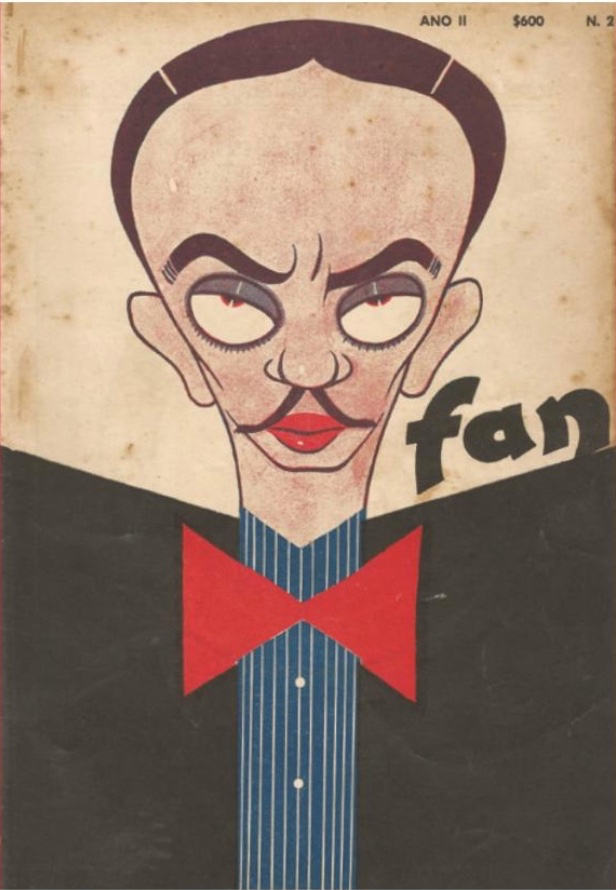 A cover from the Brazilian film magazine Fan (1934-1935), one of the
titles included in a new database from Brill.
Brill, a private academic publisher based in the Netherlands, has launched
a
database of more than sixty Brazilian film magazines dating from 1913 to 1970, which is available for institutional purchase. Curated by Rafael de Luna Freire and sourced from the holdings of the Cinemateca do Museu de Arte Moderna do Rio de
Janeiro, New York University, and private collectors, the database can also be consulted for free via an onsite computer terminal at the Cinemateca. More information about the project is available
here.
Close
Recordings from Pioneering Native American Radio Program Digitized
by Institute of American Indian Arts
Recordings from Pioneering Native American Radio Program Digitized
by Institute of American Indian Arts
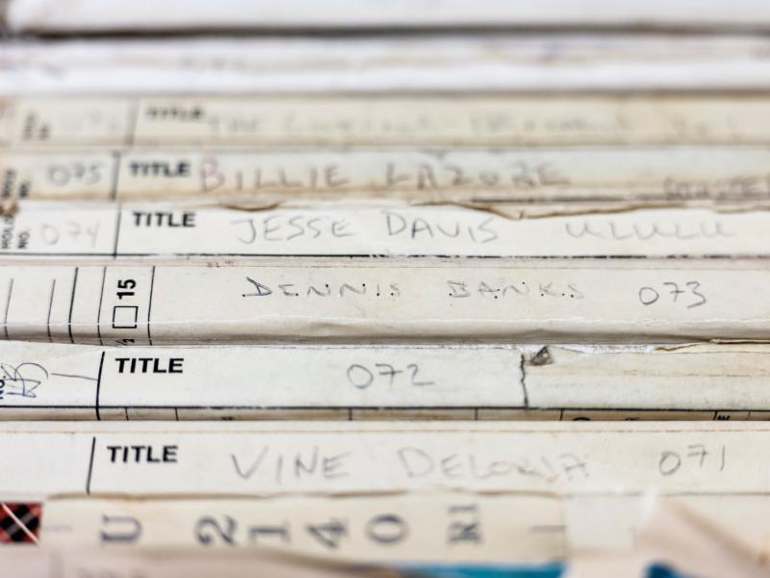 Recordings from the “Seeing Red” radio program. Photo by Jason S. Ordaz.
Institue of American Indian Arts.
In May, the Institute of American Indian Arts launched an online finding aid that offers access to
fifty-five
recordings from “Seeing Red,” the first nationally syndicated radio program to deal with issues facing Indigenous peoples in the US. Hosted by activist Suzan Shown Harjo and radio producer Frank Ray Harjo, the program ran on WBAI-New York from
1971-1974 and featured prominent figures of the American Indian Movement such as Russell Means and Vine Deloria Jr. A grant of $19,808 from the Council on Library and Information Resources awarded in 2019 is supporting the ongoing preservation
and digitization of the tapes, which are part of the Suzan Shown Harjo papers donated to IAIA in 2017. The recordings are also available via the
New
Mexico Digital Collections portal.
Close
Irish Film Institute’s Reels from Home Project Showcases News
Footage, Advertisements, Travelogues, and Amateur Film
London’s Screen Archives Consortium Commemorates Victory in Europe
Day with Online Exhibit
London’s Screen Archives Consortium Commemorates Victory in Europe
Day with Online Exhibit
 Revelers frolic in a fountain in V-E Day footage from the Imperial War
Museums.
London’s Screen Archives, a coalition of more than seventy local cultural institutions, marked the seventy-fifth anniversary of Germany’s surrender in World War II on May 8 by launching an
online
selection of films documenting public jubilation in London. Comprising mostly amateur footage of victory parties and parades from the collections of the Imperial War Museums, the Redbridge Museum and Heritage Center, Hackney Archives, and Bromley
Historic Collections, the site also features a brief documentary that pairs oral histories of V-E Day with archival footage.
Close
Archival News” reports recent news highlights from the media archive community for the JCMS readership. Some information in this column comes courtesy of the Association of Moving Image Archivists (AMIA) listserv, along with
institutional newsletters, websites, and press releases. This column is updated quarterly. Contributions to this column are welcomed. Information should be sent to Rielle Navitski, Theatre and Film Studies, University of Georgia, Fine
Arts Building, Athens, GA, 30602-3154, email: [email protected]. For news and finds from online media archives, follow @archivalnews on Twitter and Instagram.
Past issues of Archival News can be found here.